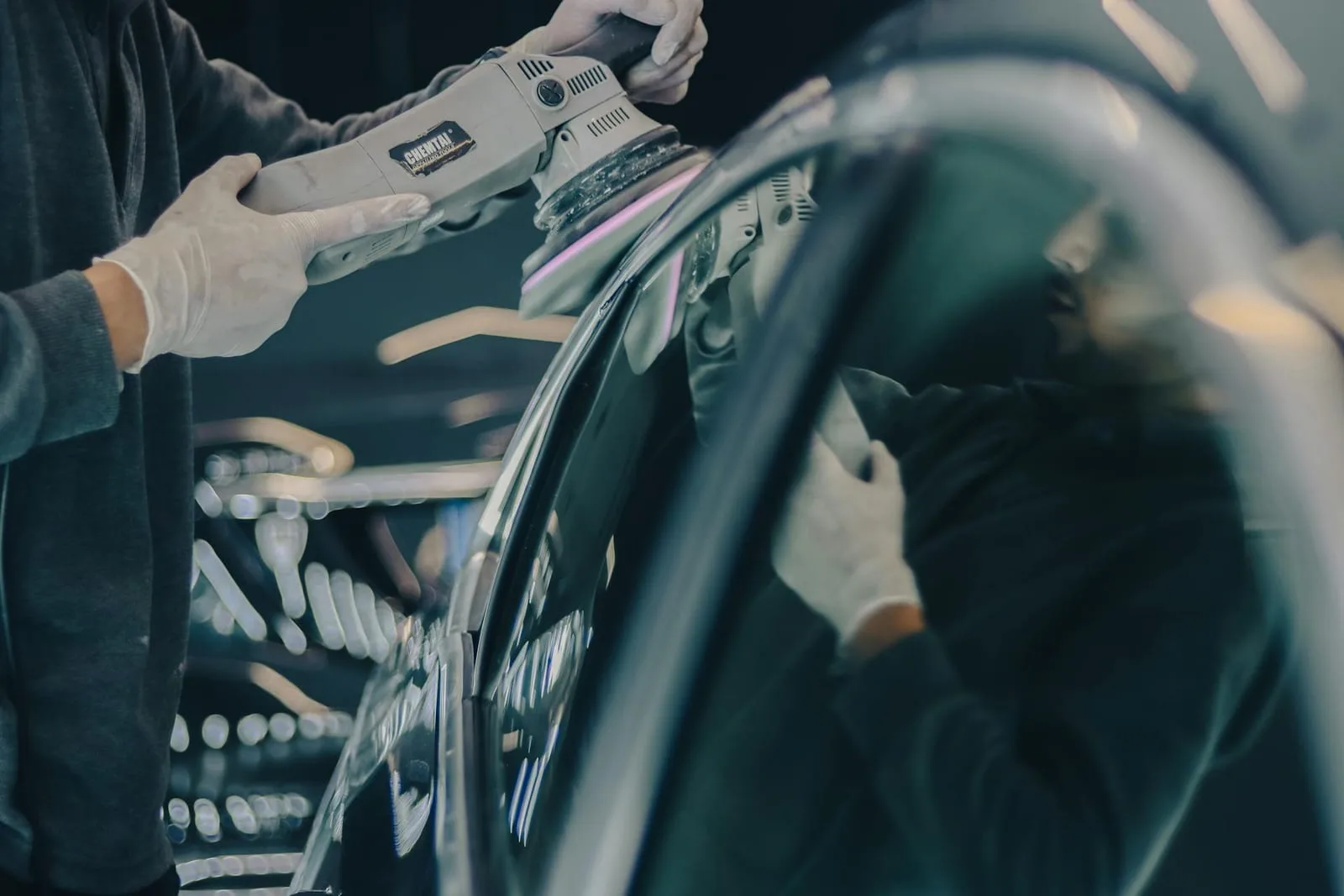
How much does paint correction cost in Miami?
Paint correction pricing at Galaxi Sound is set by the stage required (determined by visual inspection + paint depth gauge) and vehicle size. Free in-person quote before any work begins — we measure clear coat thickness on every job.
| Service | Sedan | SUV / Truck | Time |
|---|---|---|---|
| Single-Stage Polish 70–80% defect removal | $400–$600 | $500–$700 | 4–6 hrs |
| Two-Stage Correction 85–95% defect removal · Most popular | $700–$1,000 | $900–$1,200 | 8–12 hrs |
| Three-Stage Show-Car 95%+ defect removal | $1,200–$1,800 | $1,500–$2,500 | 1–2 days |
| Wet Sanding (add-on) Per panel · deep scratches | $200–$400 | $300–$500 | +2–4 hrs |
Bundle paint correction + ceramic coating for the best ROI — paint correction is required for warranty-grade ceramic. Call (786) 516-7353 for a bundle quote.
What paint correction actually is
Paint correction is the process of removing surface defects from a vehicle's clear coat using rotary or dual-action polishing machines, abrasive compounds, and graduated polishing pads. The goal is to mechanically level the clear coat surface — removing the micro-scratches, water spot etching, and oxidized material that creates the dull, swirled appearance you see under direct sunlight.
It is not a cosmetic wax or sealant applied on top of the defects. Paint correction removes the damaged layer of clear coat to expose the undamaged layer beneath. The result is a flat, reflective surface where light reflects uniformly — which is what creates the "mirror" appearance of a properly corrected paint job.
What paint correction removes:
- Swirl marks — circular micro-scratches from improper washing technique and automatic car washes
- Hologram marks — straight micro-scratches from rotary machines used incorrectly (common after poorly done dealership "detailing")
- Water spots — mineral deposits from Miami's hard water that etch into clear coat over time
- UV oxidation — chalky, dull surface layer from UV breakdown of unprotected clear coat
- Light scratches — scratches that haven't penetrated through clear coat to base coat
What paint correction cannot remove:
- Deep scratches that go through clear coat to base coat or primer
- Paint chips from rock impacts
- Rust
- Damage that requires respray
How Miami specifically damages paint
Miami-Dade creates paint damage through a specific combination of factors that isn't fully addressed by most "detailing guides" written for northern climates.
Automatic car wash swirls — most Kendall and Doral residents use drive-through automatic car washes. The brushes and friction cloths in these machines create thousands of fine circular scratches (swirl marks) that scatter light and dull the paint. Under a direct light source, the damage is immediately visible. With regular automatic car wash use, most Miami vehicles develop significant swirling within 18–24 months.
UV oxidation — unprotected clear coat exposed to Miami's UV 9–11 index begins to oxidize — the polymer structure of the clear coat breaks down and becomes chalky. This is why white and silver vehicles in Miami often look dull and chalky after 3–5 years. Correction removes the oxidized surface layer.
Water spot etching — Miami's rain deposits mineral-rich water on paint. As water evaporates in the heat, the minerals are left behind and bond to the surface. Over time they etch into the clear coat, creating visible circular marks that can't be removed by washing.
Salt air deposits — vehicles near the coast or in areas with regular sea breeze (Brickell, Coconut Grove, Key Biscayne, Miami Beach) accumulate salt deposits that act as an abrasive on paint surfaces.
Single-stage vs multi-stage paint correction
| Type | Best for | Time | What it achieves |
|---|---|---|---|
| Single-stage | Light swirl marks, minor water spots, good overall paint condition | 4–6 hours | 70–80% defect removal |
| Two-stage | Moderate swirls, water etching, light oxidation | 8–12 hours | 85–95% defect removal |
| Multi-stage | Heavy oxidation, deep swirling, neglected paint | 1–2 days | 95%+ defect removal |
The correct stage for your vehicle is determined by inspecting the paint under a direct light source and, critically, measuring paint thickness with a paint depth gauge. A vehicle with only 70–80 microns of clear coat remaining (from previous correction or thin OEM application) may only be a candidate for single-stage correction to preserve what's left.
The paint correction process step by step
1. Paint depth measurement — we measure clear coat thickness across the vehicle before touching any surface. This establishes baseline and determines how aggressively we can correct.
2. Wash and decontamination — the vehicle is washed, clay-barred to remove bonded contamination (tar, iron particles, tree sap), and inspected. Surface contamination scratches the polishing pad during correction and produces inferior results.
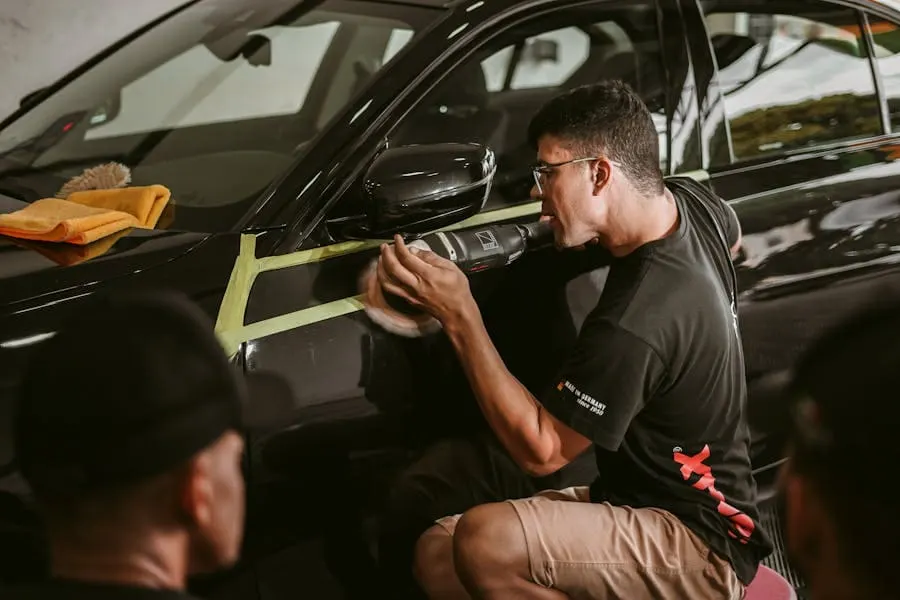
3. Panel tape-off — rubber trim, emblems, and glass edges are taped to prevent compound residue from lodging in seams.
4. Machine polishing — starting with the most defect-heavy panel, we apply compound with a rotary or DA polisher, working in 2×2 foot sections. Heavier compounds cut more aggressively; finishing polishes refine the surface to maximum gloss.
5. Inspection under lighting — after each stage, panels are inspected under direct halogen or LED lighting at multiple angles to identify remaining defects.
6. Panel wipe-down — after polishing, each panel is wiped with isopropyl alcohol to remove all compound and oil residue. This is the final step before ceramic coating application.
Paint correction before ceramic coating
If you're considering ceramic coating, paint correction is not optional — it's required.
Ceramic coating forms a semi-permanent chemical bond with the clear coat surface. Whatever condition the surface is in at the time of application, that condition is sealed in. If swirl marks, water spots, or oxidation are present when ceramic is applied, those defects become permanent and cannot be removed without stripping the ceramic off (which requires cutting the coating away — essentially more aggressive correction).
The correct sequence is:
- Decontamination wash
- Clay bar decontamination
- Paint depth measurement
- Appropriate stage(s) of paint correction
- IPA panel wipe
- Ceramic coating application (in humidity-controlled environment)
See our ceramic coating vs paint sealant guide for more on why ceramic coating requires shop application in Miami.
Frequently asked questions
What is paint correction? Paint correction is machine polishing using compounds and pads to remove surface defects — swirl marks, water spots, oxidation, and light scratches — from a vehicle's clear coat. It levels the surface mechanically, unlike wax or sealant which sit on top of defects.
How much clear coat does paint correction remove? A professional correction removes 0.5–3 microns of clear coat per pass, depending on compound aggression. Most vehicles have 80–120 microns of OEM clear coat. We measure paint thickness before and during correction. A well-executed correction leaves adequate clear coat thickness for future protection.
Does paint correction fix deep scratches? It depends on depth. Scratches within the clear coat can be removed or significantly reduced. Scratches that go through clear coat to base coat (you can feel them with your fingernail) cannot be fully corrected by polishing — they require spot respray or touch-up.
How long does paint correction last? The correction itself is permanent — once defects are removed, they're gone. What matters is whether you protect the corrected surface. Ceramic coating after correction can maintain the paint condition for 2–4 years in Miami. Without protection, swirl marks return with regular washing within 6–12 months.
Can I wash my own car after paint correction? Yes, but technique matters. Two-bucket hand washing with microfiber mitts is the correct method. Avoid drive-through automatic car washes — they're the primary cause of swirl marks in Miami.
Recent Work
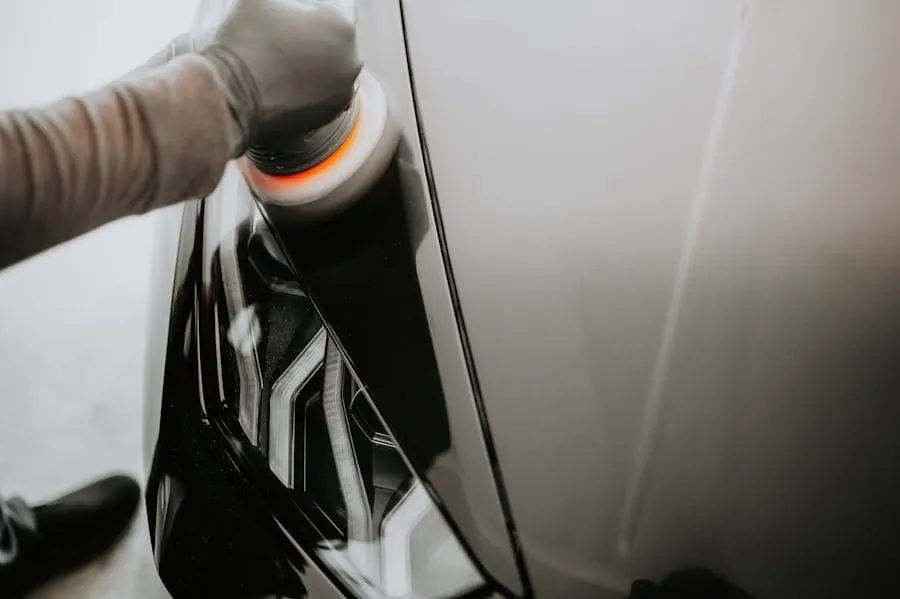
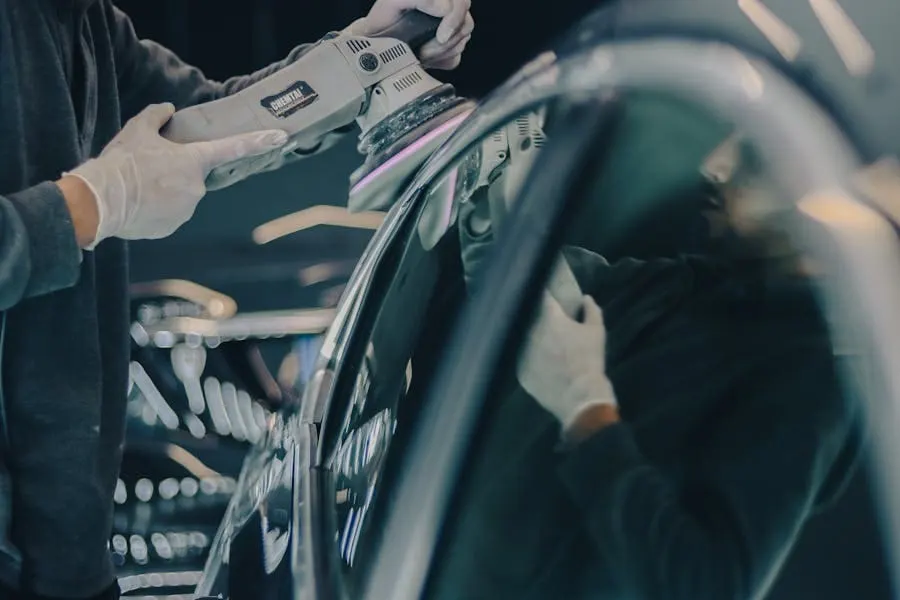
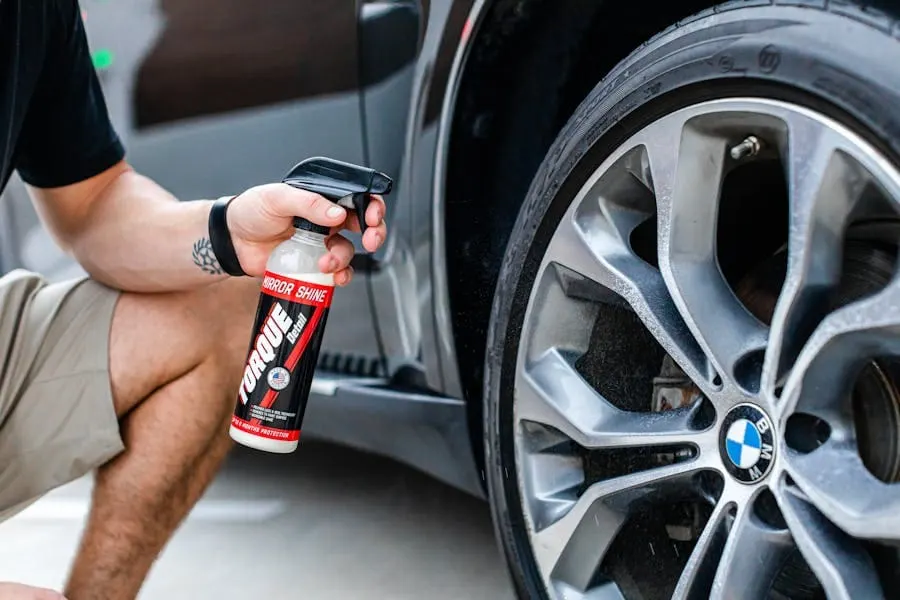
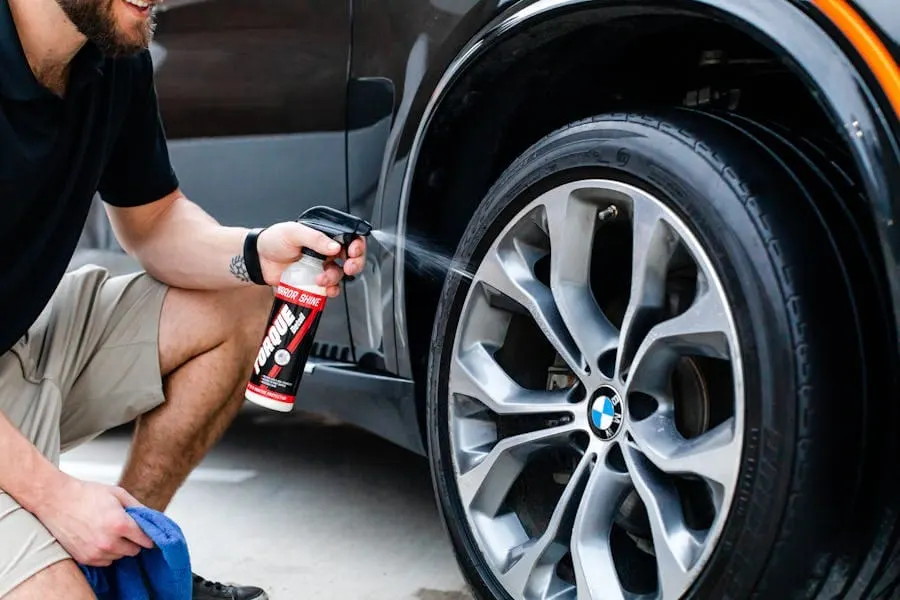
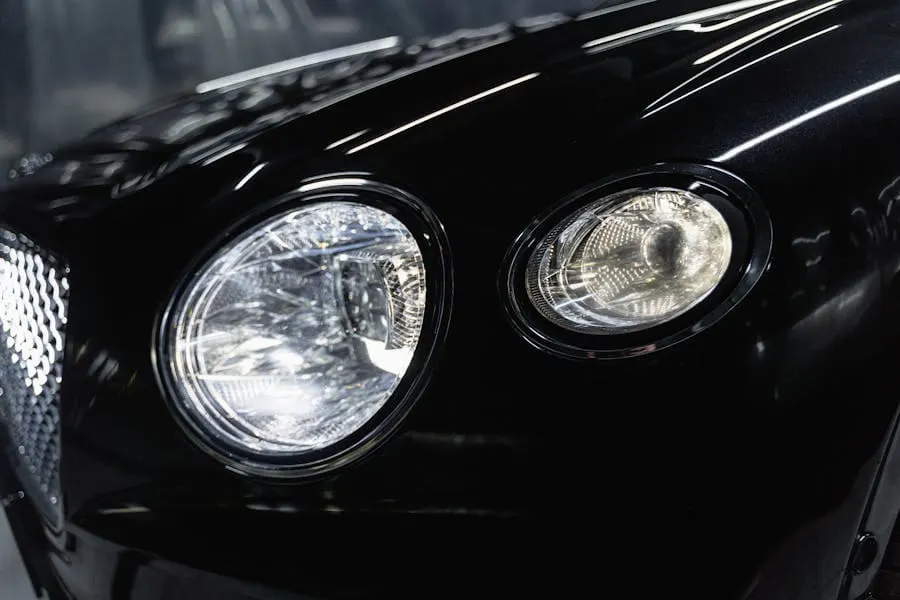
Paint Correction Portfolio — Galaxi Sound Kendall
Related: Car Detailing Near You in Miami · Ceramic Coating Near Me · Car Spa · Paint Protection Film Near Me · Ceramic vs Paint Sealant Guide · Car Wrap Near Me